
Can Dispensaries Use Banks? What San Francisco Dispensaries Need to Know
Yes, licensed cannabis businesses can use banks, including state-chartered banks and credit unions, but federal prohibition still makes it difficult. Most dispensaries operate with cash and use specialized banking services. In San Francisco, options exist, but you must navigate compliance carefully.
How Dispensaries Handle Cash Deposits and Payments
Running a dispensary means managing cash carefully. Here's how we and other licensed businesses handle deposits and payments without traditional banking.
- Use a state-chartered bank or credit union. These institutions can legally serve cannabis businesses in California. Open an account and deposit cash regularly to avoid accumulating large sums on-site.
- Accept debit cards as a payment option. Debit transactions process through networks that work with cannabis businesses. We accept debit and cash at our store; credit cards aren't accepted due to federal restrictions.
- Keep deposits under $10,000 to avoid automatic reporting. Cash deposits of $10,000 or more trigger a Currency Transaction Report (CTR) filed by the bank. Depositing smaller amounts daily to avoid this is illegal structuring, so don't do it.
- File IRS Form 8300 for cash payments over $10,000. If a single transaction or related transactions exceed $10,000 in cash, you must report it to the IRS. This applies to purchases and other business transactions.
- Work with a cannabis-savvy accountant. They can help you track cash flow, file required reports, and stay compliant with FinCEN guidelines.
At our dispensary near soma, we follow these practices to keep operations smooth and legal. If you have questions about payment methods, our budtenders can explain what we accept.
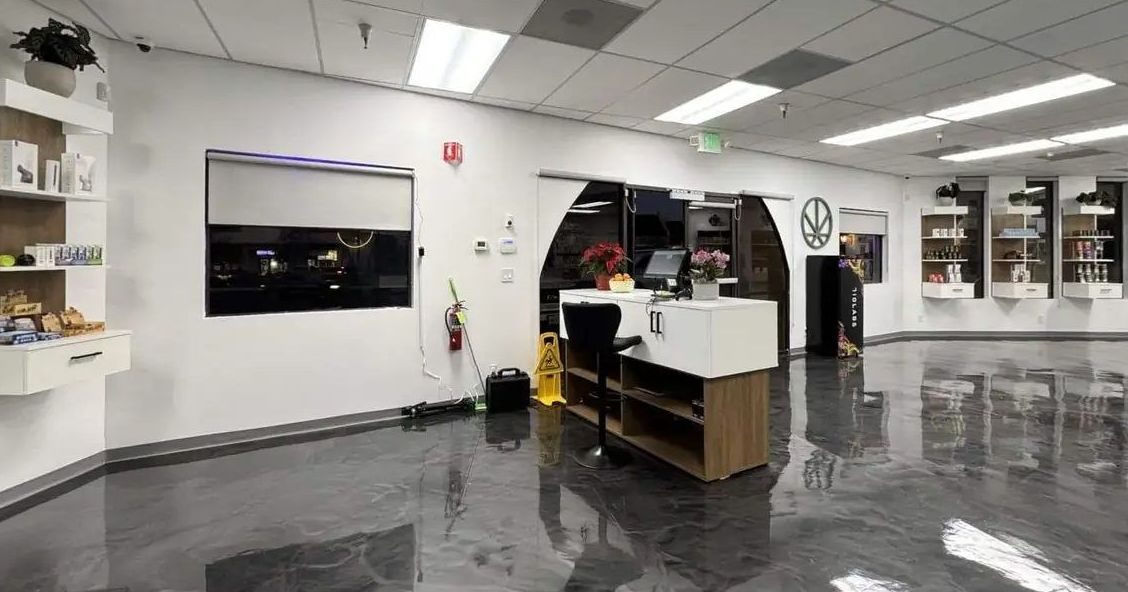
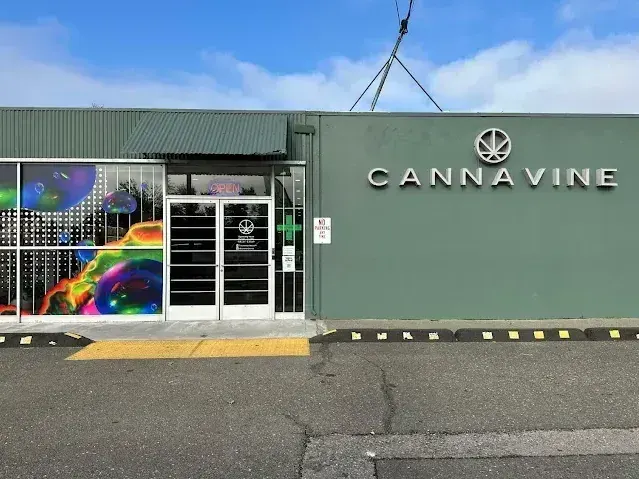
Can Dispensaries Use Banks? The Legal Reality
Yes, dispensaries can use banks, but it's complicated. Under federal law, cannabis is still a Schedule I substance, which makes most federally insured banks hesitant to serve cannabis businesses. However, state-licensed dispensaries like ours can open accounts at state-chartered banks or credit unions that choose to work with the industry.
The Financial Crimes Enforcement Network (FinCEN) has issued guidance that allows banks to serve cannabis businesses if they follow strict due diligence and reporting requirements. This means banking is possible, but it's not as simple as walking into any branch. Many banks still say no because of the federal conflict.
In San Francisco, we're fortunate to have local financial institutions that understand cannabis. But even with a bank account, many dispensaries still rely heavily on cash for daily operations. That's why we accept debit and cash, and we're transparent about our payment options.
Why Most Dispensaries Can't Use Traditional Banks
The core barrier is federal illegality. The Federal Reserve and other federal regulators don't want banks to handle money from federally illegal activities. Because cannabis is illegal at the federal level, most traditional banks—especially large national ones—refuse to open accounts for dispensaries.
Even though California has legalized cannabis and we hold a license from the California Department of Cannabis Control, federal law still applies. Banks that serve cannabis businesses risk federal penalties, including losing their charters. That's why most marijuana dispensaries and related businesses can't use traditional banks.
However, some banks have found a way. State-chartered banks and credit unions can operate under state law and FinCEN guidance. They can serve cannabis businesses if they file suspicious activity reports and follow strict compliance. But these banks are the exception, not the rule.
Banking Options for Dispensaries: State-Chartered Banks, Credit Unions & More
If you're a dispensary owner, you have a few banking options. Here's a comparison to help you decide.
| Option | Pros | Cons | Best For |
|---|---|---|---|
| State-chartered bank | Can serve cannabis businesses; may offer business accounts and loans | Limited availability; may have higher fees | Dispensaries that need a full-service bank |
| Credit union | Often more cannabis-friendly; lower fees; community focus | May have limited branches; services vary | Smaller dispensaries that value personal service |
| Traditional national bank | Wide network; familiar services | Usually refuses cannabis businesses | Not recommended for dispensaries |
| Cash management service | Handles cash pickup and deposits; reduces on-site cash | Costs money; not a full bank | Dispensaries with high cash volume |
| Payment processor (debit) | Allows customers to pay with debit cards | Fees; not all processors work with cannabis | Dispensaries that want to reduce cash handling |
Most dispensaries use a combination: a state-chartered bank or credit union for deposits, plus a payment processor for debit transactions. At Cannavine, we accept debit and cash, and we're open to walk-ins.
Directions to our dispensary near SoMa from Admission Day Monument
Start at Admission Day Monument and head to Cannavine Cannabis Dispensary (San Francisco) at 70 2nd St, San Francisco, CA 94105.
The SAFE Banking Act: What It Means for Dispensary Banking
The SAFE Banking Act is a federal bill that would protect banks from penalties for serving state-licensed cannabis businesses. If passed, it would make it easier for dispensaries to open bank accounts, use credit cards, and access loans. As of now, the bill has passed the House multiple times but hasn't become law. Until then, dispensaries must work within the current system.
Finding a Cannabis-Friendly Bank in San Francisco & California
If you're a dispensary owner in San Francisco, you can find a bank that works with cannabis. Here's how.
- Ask other dispensaries. Talk to owners in SoMa, the Financial District, or Mission Bay. They can recommend banks they use.
- Search for state-chartered banks and credit unions. These are more likely to serve cannabis businesses. Look for institutions that advertise cannabis banking.
- Check with your local cannabis business association. They often have lists of friendly banks.
- Call and ask directly. Be upfront about your business. Ask about their experience with cannabis and their fee structure.
- Consider a regional bank like Herring Bank. Some banks specialize in cannabis. Herring Bank is one example, but there are others in California.
Remember, you need a government-issued photo ID and your license to open an account. If you're visiting us, we're near Montgomery Street BART/Muni, so you can easily explore banking options in the area.
Paying Employees and Taxes: How Dispensaries Manage Without Banks
Even without traditional banking, dispensaries must pay employees and taxes. Here's how we do it.
- Use a payroll service that works with cannabis. Some payroll companies specialize in cannabis and can handle direct deposit or checks.
- Pay employees with cash or checks. If you use cash, keep detailed records of payments.
- File federal taxes. Dispensaries do pay federal taxes, even though cannabis is federally illegal. You must file with the IRS and pay using methods they accept, like electronic funds transfer or money order.
- Pay state taxes. California requires sales tax and cannabis excise tax. You can pay these online through the state's system.
- Keep meticulous records. Track all income and expenses, especially cash, to satisfy both state and federal requirements.
Risks of Cash-Only Operations for Dispensaries
Running a cash-heavy business comes with risks. Here's what to consider.
A good fit if…
- You have strong security. Safes, cameras, and armored transport can mitigate theft risk.
- You have a reliable banking partner. Even a cash-heavy operation needs somewhere to deposit.
- You're prepared for compliance. You'll need to file CTRs and IRS Form 8300 as required.
Consider another option if…
- You're in a high-crime area. Cash on-site is a target.
- You lack accounting support. Managing cash without professional help is risky.
- You want to avoid scrutiny. Cash transactions can trigger audits.
At Cannavine, we accept debit and cash to balance convenience and safety. If you're concerned about cash handling, talk to a financial advisor who knows cannabis.
Also asked as
- Can marijuana dispensaries use traditional banks?
- Why can't dispensaries use banks?
- How do dispensaries handle cash and deposits?
Frequently asked questions
Why can't dispensaries use banks?
Most traditional banks are federally insured and won't risk penalties for serving a federally illegal industry. State-chartered banks and credit unions can serve cannabis businesses if they follow FinCEN guidelines.
Can I use my bank card at a dispensary?
Credit cards are generally not accepted at dispensaries because card networks are federally regulated. Debit cards can work if the processor supports cannabis transactions, which is why we accept debit and cash.
What is the $3,000 bank rule?
There's no $3,000 rule. Banks may report suspicious activity, but the key threshold is $10,000 for a Currency Transaction Report. Depositing smaller amounts to avoid reporting is illegal structuring.
Is it illegal to have $10,000 cash on you?
No, it's not illegal to carry $10,000 in cash, but you must declare it when crossing U.S. borders. For businesses, cash transactions over $10,000 must be reported to the IRS via Form 8300.
Will the IRS know if anyone deposits $10,000 in the bank account?
Yes, banks file a Currency Transaction Report for cash deposits of $10,000 or more. The IRS and FinCEN can access these reports. Structuring deposits to avoid reporting is illegal.