
Why Dispensary Weed Is Bad: What You Need to Know About Risks and Alternatives
Dispensary weed isn't inherently 'bad,' but it carries risks like any cannabis: potential respiratory issues from smoking, addiction, and cognitive impairment. The key difference is that licensed dispensaries test for contaminants, making them safer than street weed, though overpricing and potency are common concerns.
Why Dispensary Weed Might Be Bad: Health Risks and Contaminants
When people ask why dispensary weed is bad, they're usually worried about health effects and contaminants. The truth is, while regulated cannabis is safer than street weed, it's not risk-free. Here's a breakdown of the main concerns.
| Concern | What It Means | How Dispensaries Address It |
|---|---|---|
| Contaminants (pesticides, mold, bacteria) | Improperly grown cannabis can harbor harmful substances. | Licensed dispensaries must test for these, per California regulations. |
| Respiratory issues | Smoking any plant material can irritate lungs. | Offer alternatives like edibles, tinctures, or vaporizers. |
| Addiction potential | THC can be habit-forming for some. | Budtenders can guide you on lower-THC strains and usage limits. |
| Impaired cognitive function | Heavy use may affect memory and focus. | Dispensaries provide dosing info to help you consume responsibly. |
| High potency | Dispensary weed often has higher THC than street weed. | Staff can recommend strains with lower THC to reduce anxiety. |
So, is dispensary weed bad? Not necessarily—but it's not harmless either. The key is informed use. If you're concerned about effects, talk to a budtender at our SoMa dispensary about low-THC options or non-smokable products.
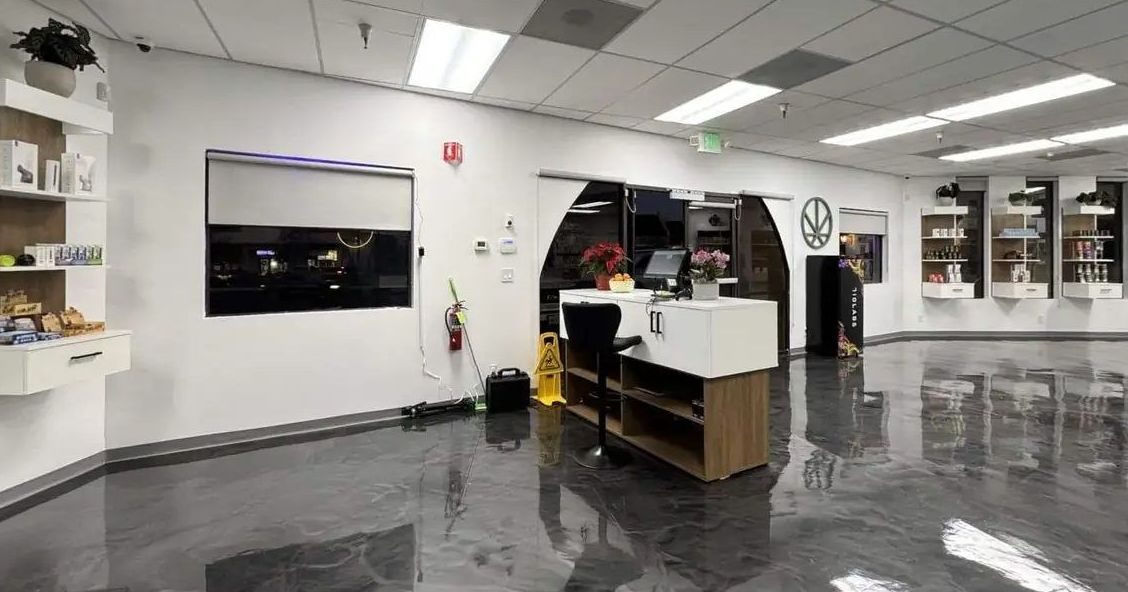
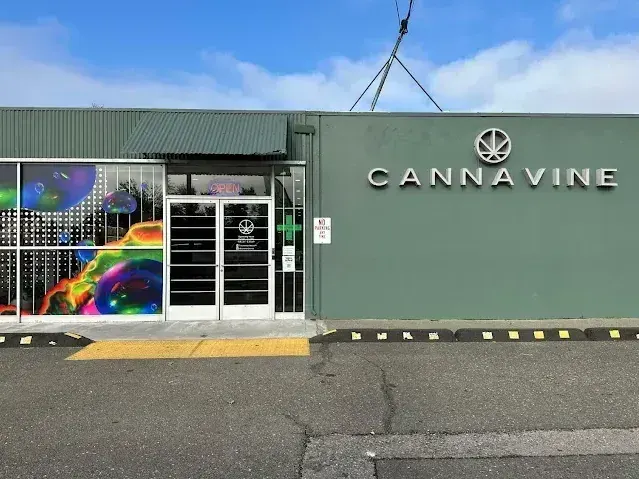
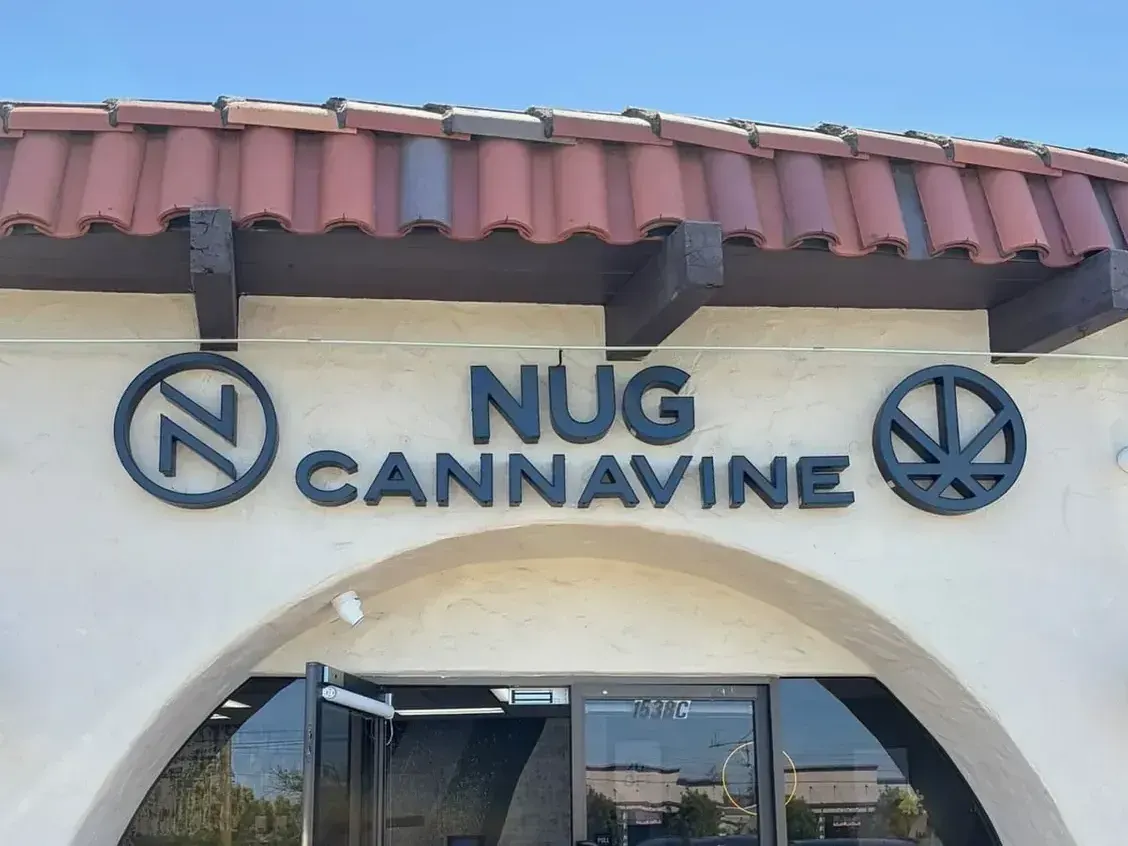

Dispensary Weed vs. Street Weed: Which Is Really Worse?
When comparing dispensary and street weed, the differences are stark. Here's a side-by-side look at what you're getting.
| Factor | Dispensary Weed | Street Weed |
|---|---|---|
| Safety | Tested for pesticides, mold, bacteria | Untested; may contain harmful substances |
| Potency | Labeled with THC content | Unknown; can be stronger or weaker than expected |
| Cost | Often higher due to testing and taxes | Cheaper but riskier |
| Consistency | Same strain, same effects each time | Varies from batch to batch |
| Legality | Legal, licensed, regulated | Illegal, potential legal trouble |
Street weed can be dangerous and even deadly due to contaminants like mold or pesticides. Dispensary weed, while not perfect, is a safer bet. If you're worried about cost, ask about deals or first-time offers to save.
The Downsides of Legal Weed: Addiction, Cost, and Community Impact
Legalizing weed has brought benefits, but it's not without downsides. One major concern is addiction potential—some people develop a dependency on THC, especially with high-potency products. Another is cost: everything is overpriced due to taxes and testing, making legal weed pricier than street options.
There's also the community impact. Some studies suggest that increased dispensary density might correlate with increased crime or teen use, though the evidence is mixed. Additionally, impaired cognitive function and respiratory issues remain risks for frequent users.
At Cannavine, we take these concerns seriously. We offer education on responsible use and provide lower-THC options. If you're worried about addiction, our budtenders can suggest non-psychoactive CBD products or help you set limits. For more on how to use cannabis safely, see our guide on edible side effects.
Is Dispensary Weed Safe? What Testing and Regulations Say
Yes, when you buy from a licensed dispensary, you're getting a product that's been tested for safety. Here's what that means in practice:
- Testing for contaminants – Licensed dispensaries must test for pesticides, mold, and bacteria, ensuring the weed you buy is free from harmful substances.
- Labeled THC content – You know exactly how strong your weed is, so you can dose appropriately.
- Regulated by the state – California's Department of Cannabis Control sets strict standards for cultivation and sale.
- No mystery additives – Street weed can be laced with unknown substances; dispensary weed is clean.
- Professional guidance – Budtenders can help you choose a product that fits your experience level and health needs.
While no cannabis is 100% risk-free, dispensary weed is the safest option available. If you're new, ask about low-THC strains or non-smokable forms. For more on what to expect, read about what a dispensary is.
Directions to our dispensary near SoMa from SPUR
Start at SPUR and head to Cannavine Cannabis Dispensary (San Francisco) at 70 2nd St, San Francisco, CA 94105.
Find a Safe Dispensary in San Francisco: Your Local Options
Ready to find a safe, licensed dispensary near you? Here's how to do it in San Francisco.
- Check for a license – Look for the California Department of Cannabis Control license number on the dispensary's website or in-store.
- Look at reviews – See what other customers say about product quality and safety.
- Visit in person – A reputable dispensary will be clean, well-organized, and happy to answer questions.
- Ask about testing – Inquire about their testing procedures and whether they can show you lab results.
- Consider location – Choose one that's convenient, like Cannavine at 70 2nd St, just two minutes from Montgomery Street BART/Muni.
We're open Sunday 10–7, Monday–Friday 9–8:30, and Saturday 10–7. Call us at (415) 766-4372 or stop by. For more on what to look for, see our guide on med card costs.
Sources
Also asked as
- Is dispensary weed worse than street weed?
- What are the downsides of legal weed?
- Is dispensary weed safe to smoke?
Frequently asked questions
In what state is weed 100% legal?
No state has made weed 100% legal in the sense of no restrictions. However, states like California have legalized both medical and recreational use, but with regulations on sales, possession limits, and use in public. Always check local laws.
What are the downsides of legalizing weed?
Downsides include potential increases in addiction rates, higher costs due to taxes, and concerns about impaired driving. There's also the risk of normalizing use among teens, though regulated sales aim to prevent underage access.
What is the best argument for legalizing weed?
The strongest argument is that legalization allows for regulation and safety testing, reducing the risks of contaminated or laced products. It also generates tax revenue and reduces the burden on the criminal justice system.
What are the advantages and disadvantages of weed?
Advantages include potential medical benefits like pain relief and reduced anxiety. Disadvantages include risks of respiratory issues from smoking, addiction, and cognitive impairment with heavy use. It's important to weigh these based on your individual health.
What does God say about weed?
Religious views on cannabis vary widely. Some interpret scripture as forbidding intoxicants, while others see it as a natural plant that can be used responsibly. It's a personal and spiritual question, not one with a universal answer.